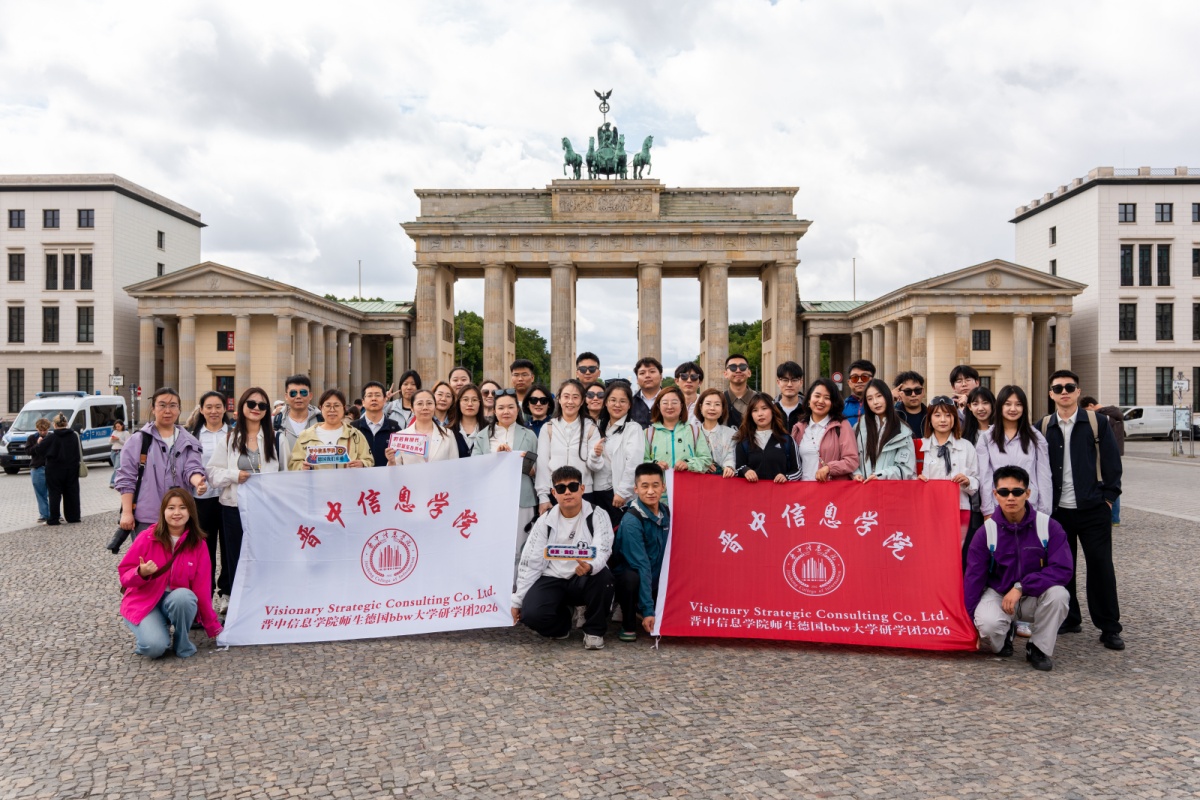
In early August, at Berlin Brandenburg Airport, the first group of 99 faculty and students from Jinzhong Institute of Information and Technology departed for their return journey in staggered batches, taking intercontinental flights home. Having crossed over 8,000 kilometres of mountains and seas, they all landed safely in China, successfully concluding a two‑week immersive overseas classroom experience. For this first study‑visit cohort, the institute allocated a special fund of more than 6 million yuan, enabling ordinary students from diverse family backgrounds to stand equally at the centre of an international classroom.
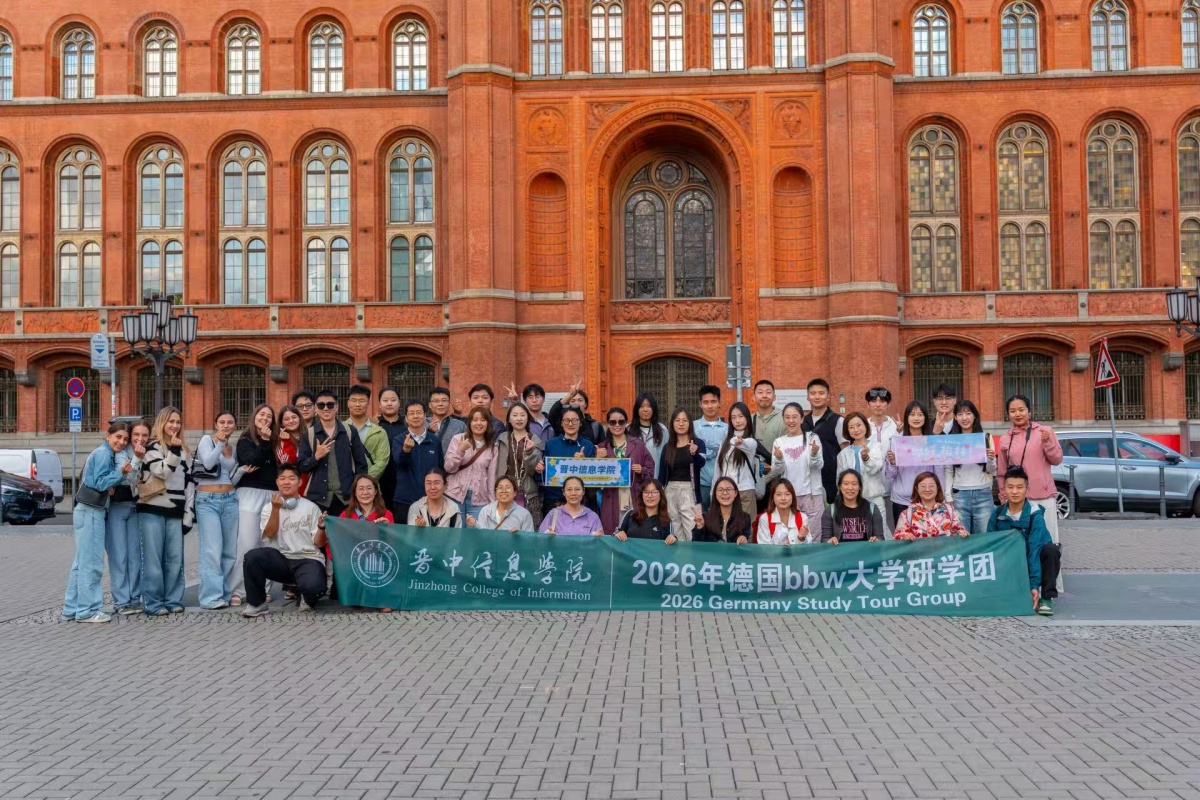
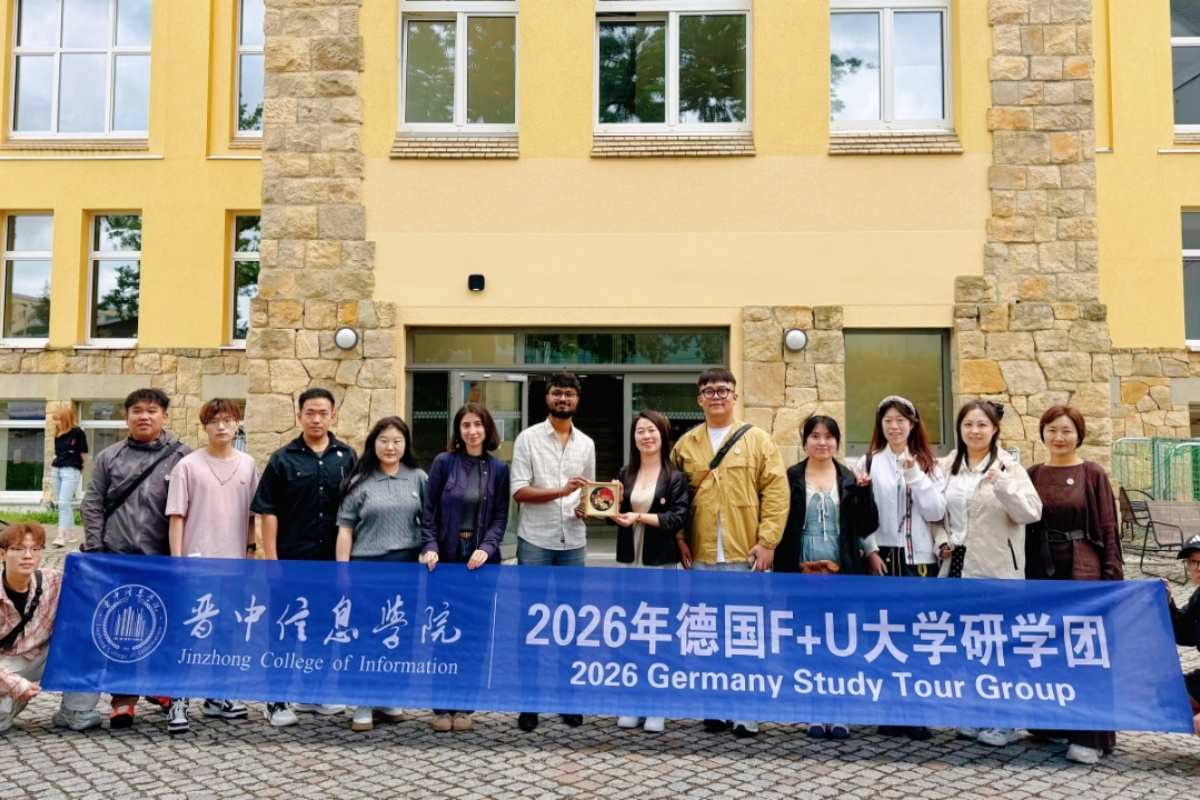
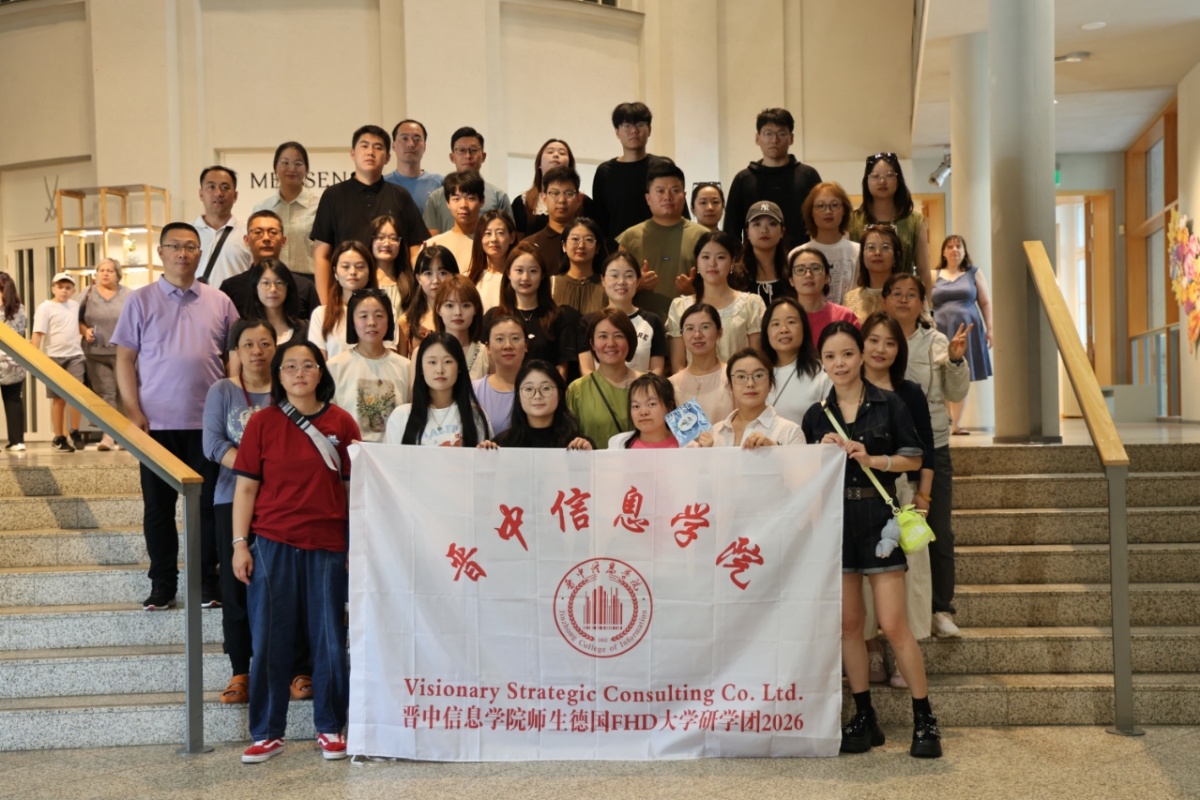
The study visit was organised into three independent groups, each heading to a different destination: bbw Hochschule in Berlin, F+U Education School Saxony, and Dresden University of Applied Sciences in Germany. The programme centred on subject lectures, company visits, cultural walks, and cross‑cultural seminars, delivering a transnational practice that deeply integrated the institute’s “four‑in‑one, dual‑residential‑college” educational philosophy.
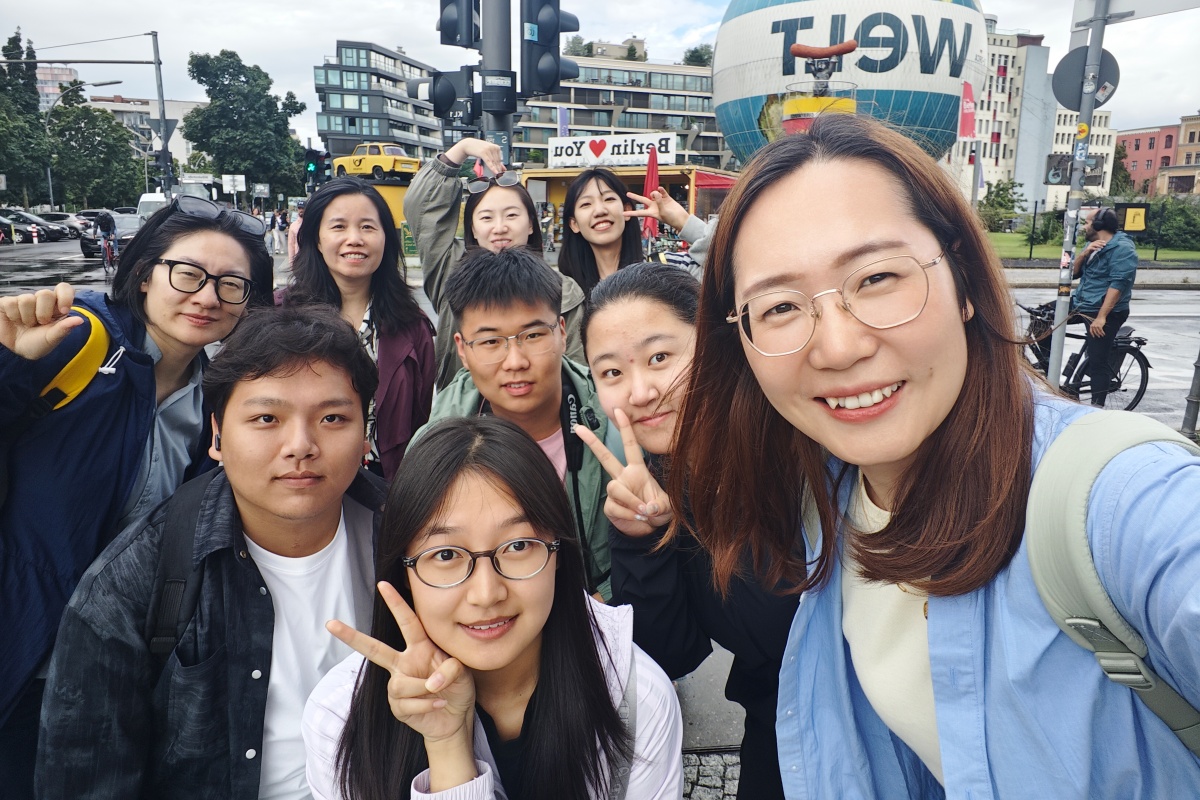
Outside the windows of the returning flights, the Berlin skyline gradually faded from view. Many faculty and students flipped through their study journals, jotting down this special journey of growth. Student Li Bowei wrote in his notes: “The Industry 4.0, Baroque architecture, and cross‑cultural communication that I used to read about in textbooks have finally become the streets I walked and the equal debates I experienced in the classroom. This trip has given me a new understanding of the connection between my major and the wider world.”
Core Philosophy: Not a Sightseeing Trip, but an Overseas Extension of the Institute’s Educational Model
At Jinzhong Institute of Information and Technology, overseas study visits have never been mere sightseeing excursions. Rather, they are real‑world classrooms that extend the “four‑in‑one” education system – comprising major-oriented education, liberal arts education, business education, and holistic education – beyond the campus. They also represent the practical application of the “dual‑residential‑college” model, where academic schools provide in‑depth professional training and residential colleges foster personal development, adapted to a foreign context.
The three study groups were aligned with different training objectives and matched with the partner institutions’ distinctive curricula, ensuring targeted and tiered learning:
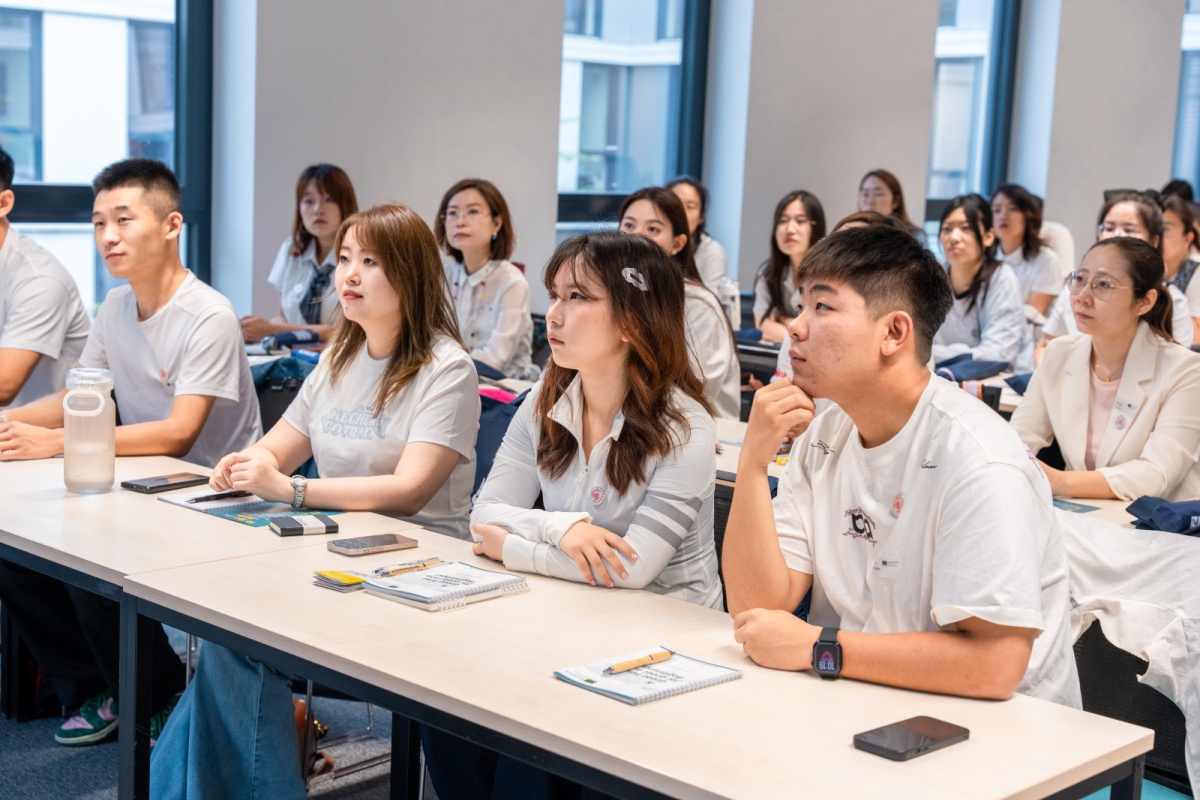
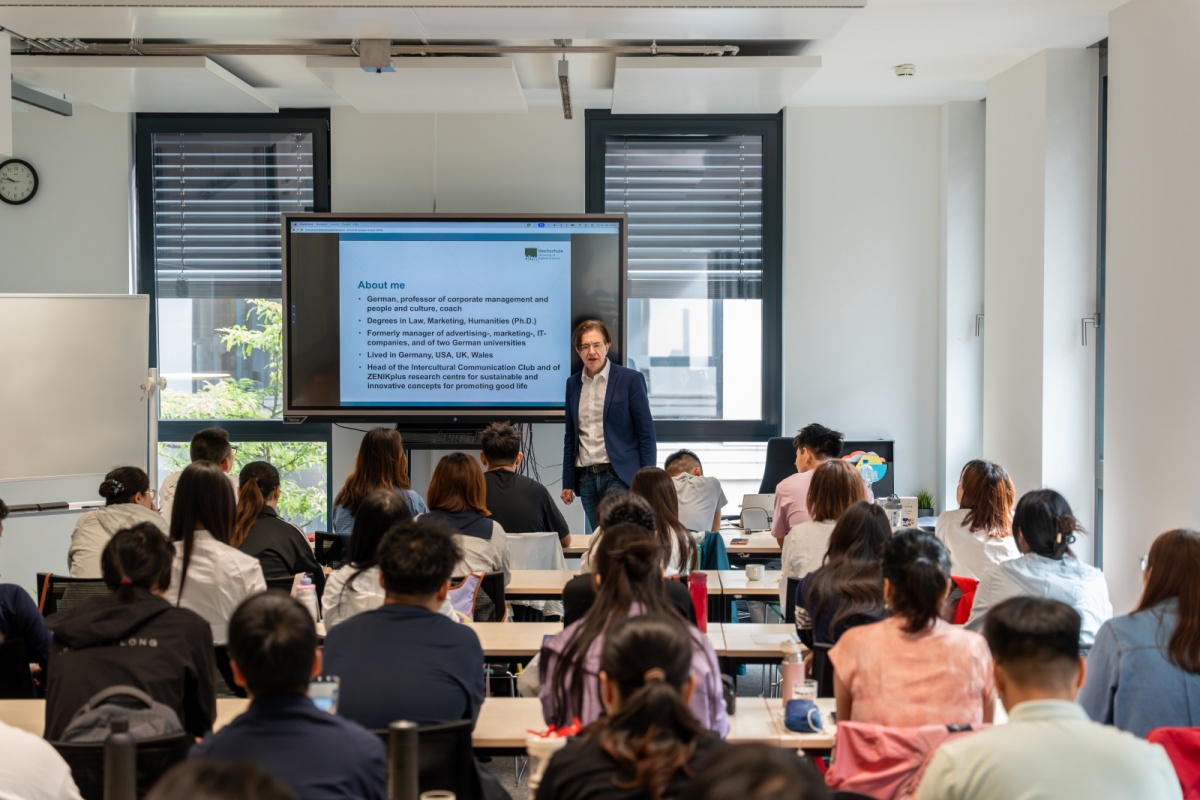
bbw Hochschule group: Leveraging the Chinese‑German joint programme in Mechanical Design, Manufacturing and Automation, which was approved in 2026, this group focused on all‑English courses in intelligent manufacturing and international business management. Vice President Prof. Dr. Ingo Schünemann oversaw the entire teaching arrangement, which used case studies, group projects, and presentation‑based assessments. Faculty and students commuted daily on Berlin’s public transport, fully immersing themselves in the local academic rhythm. In class, German professors did not prescribe standard answers; instead, they encouraged students to question actively and express diverse viewpoints – replicating the institute’s residential college atmosphere that fosters bold articulation. Outside class, German hosts arranged shared meals around long tables, reminiscent of the institute’s “dinner with the president” events, where informal conversations helped dissolve cultural barriers and exchange ideas on personal growth.
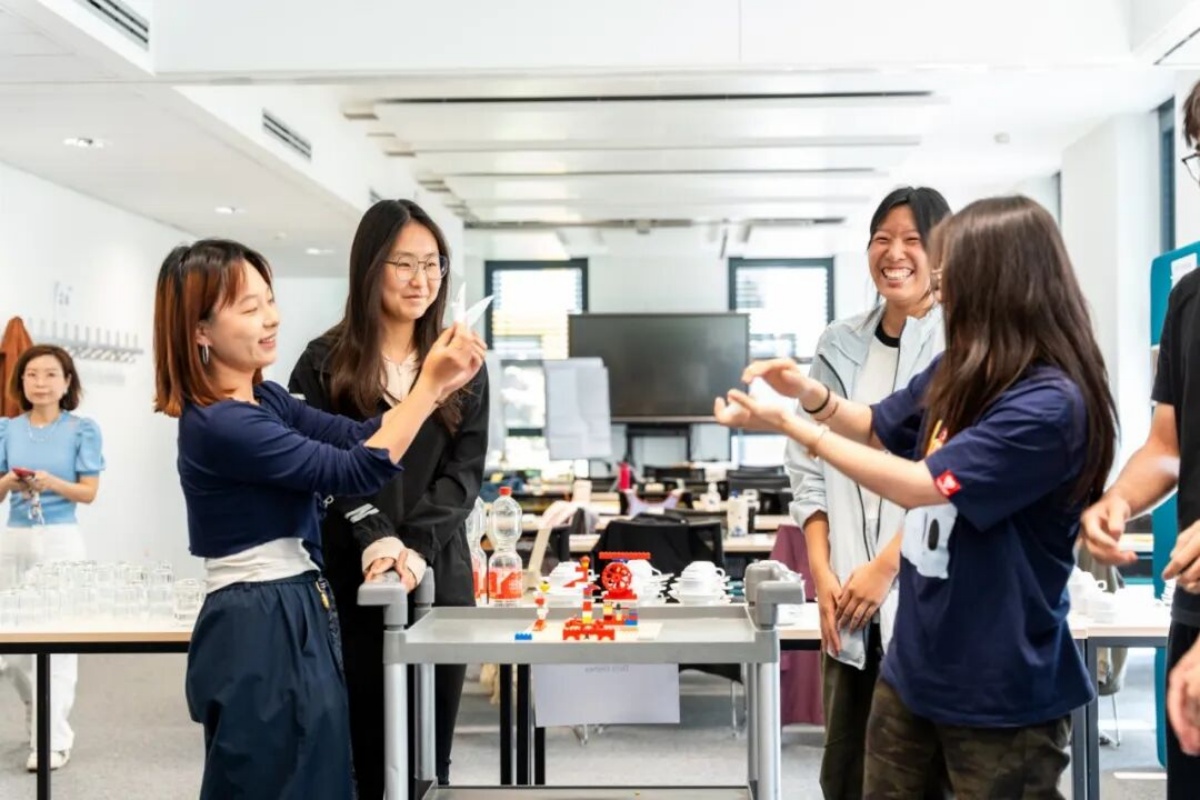
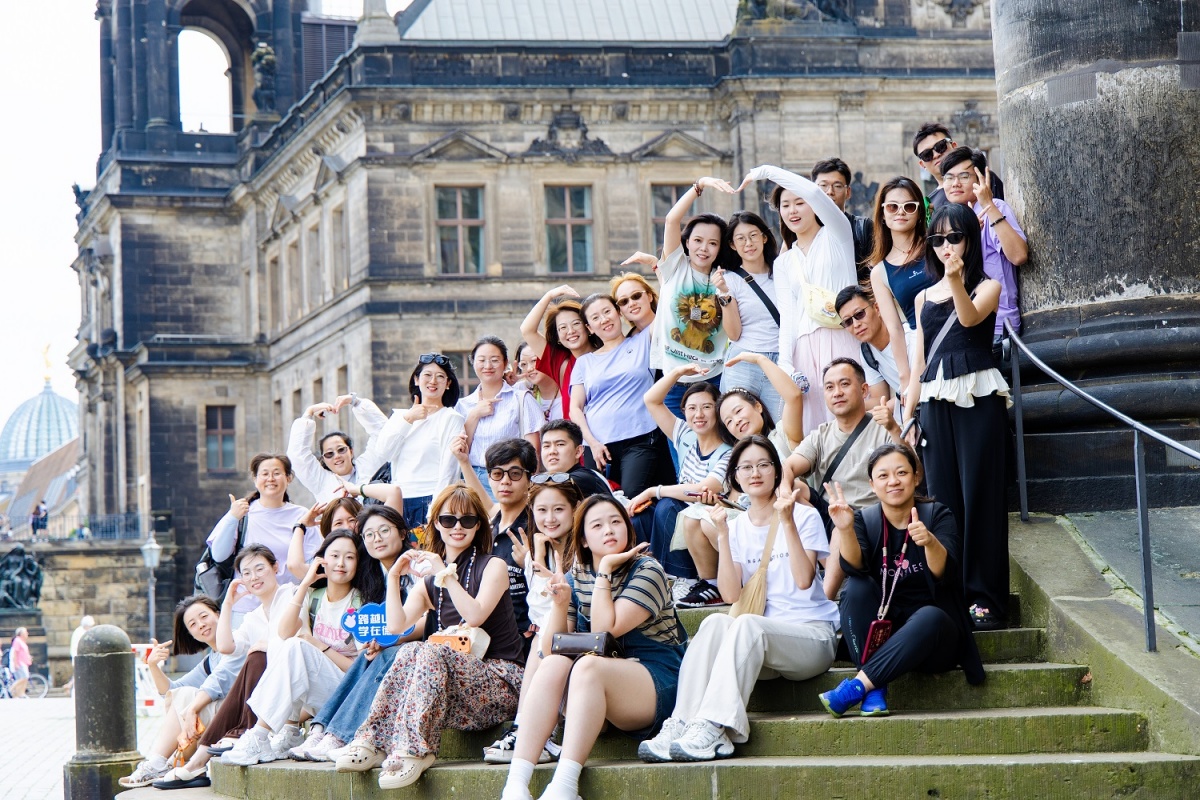
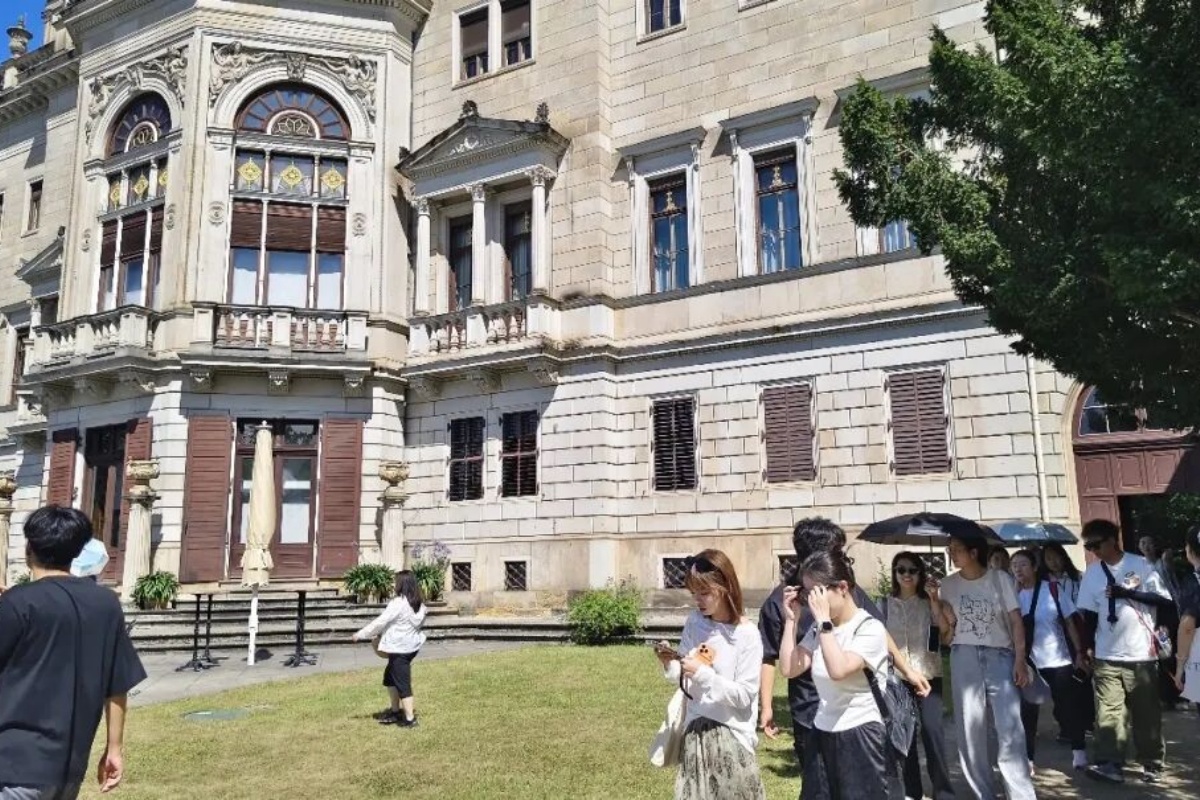
Dresden University of Applied Sciences group: This group delved into interdisciplinary courses on artificial intelligence, digital design, and industrial aesthetics, featuring joint teaching by Chinese and German instructors. Chinese faculty and German doctoral scholars co‑taught cutting‑edge topics such as “human‑centred intelligent design.” After class, students visited the Zwinger Palace and the Royal Palace Museum, turning the Baroque architectural complex into a mobile general‑education classroom for aesthetic appreciation, and bridging the gap between engineering disciplines and the humanities.
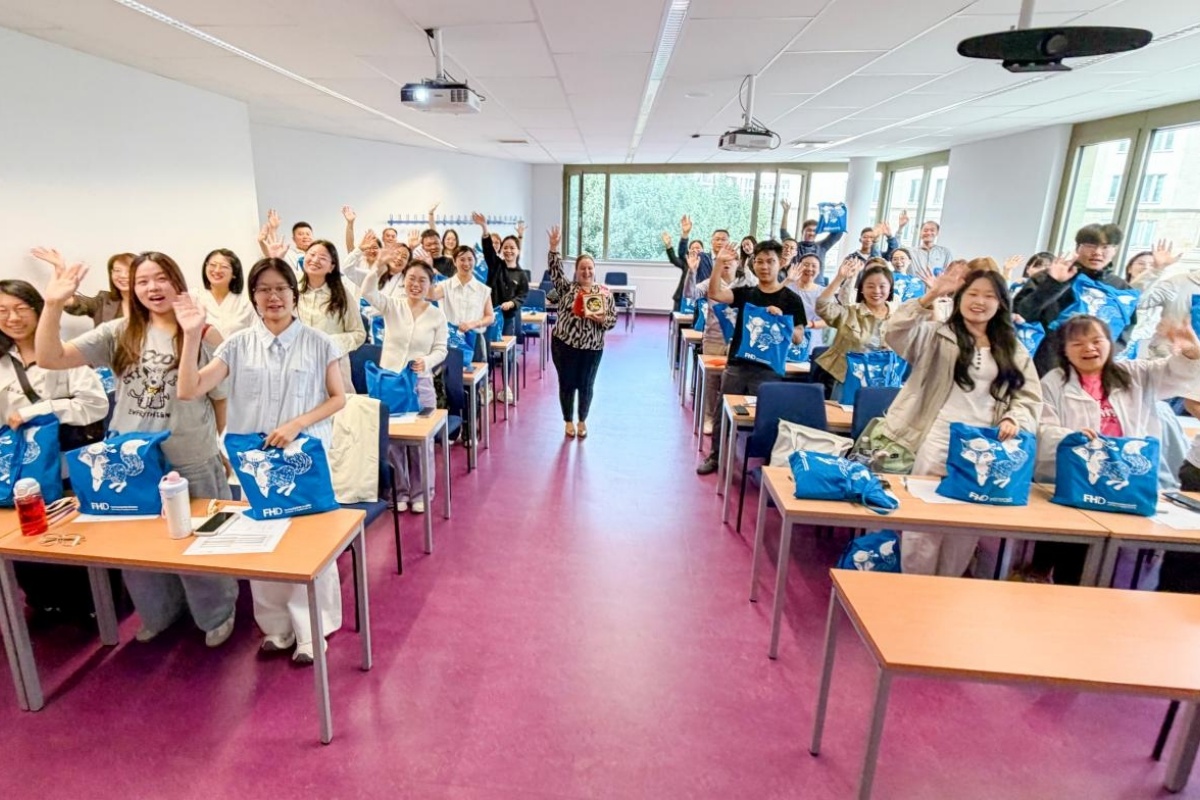
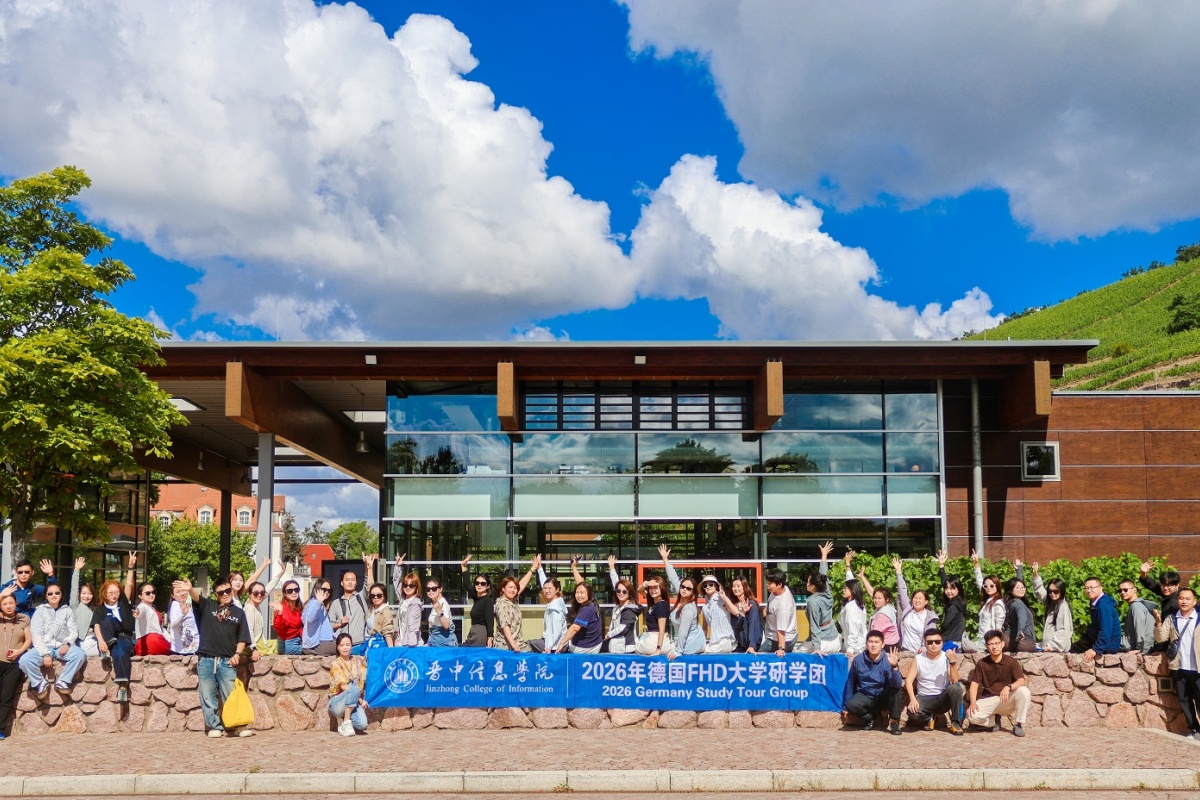
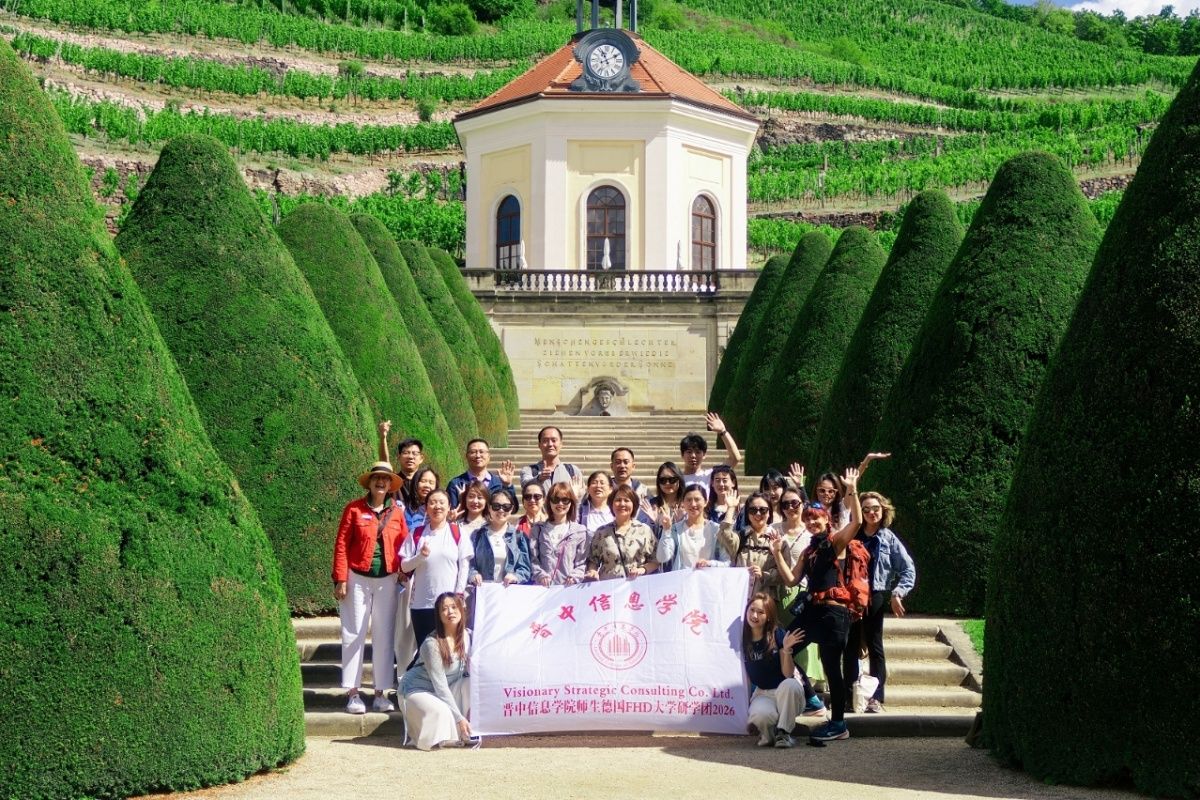
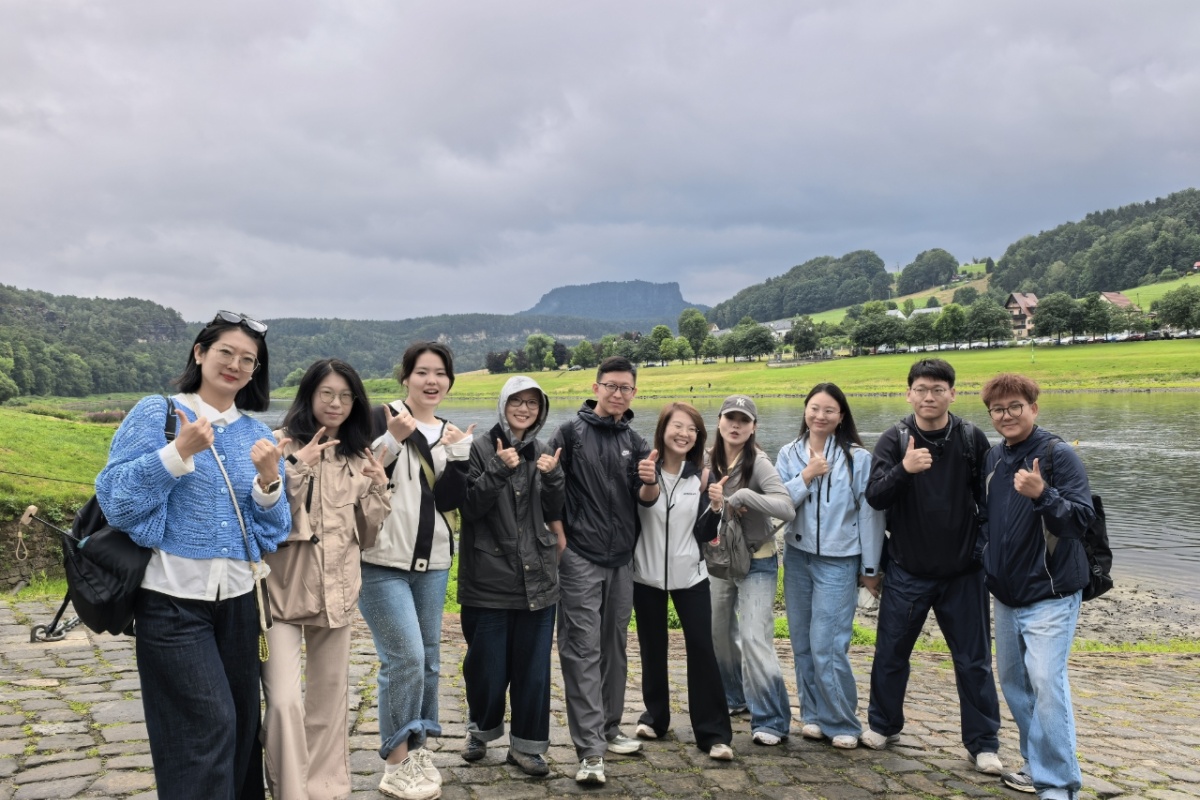
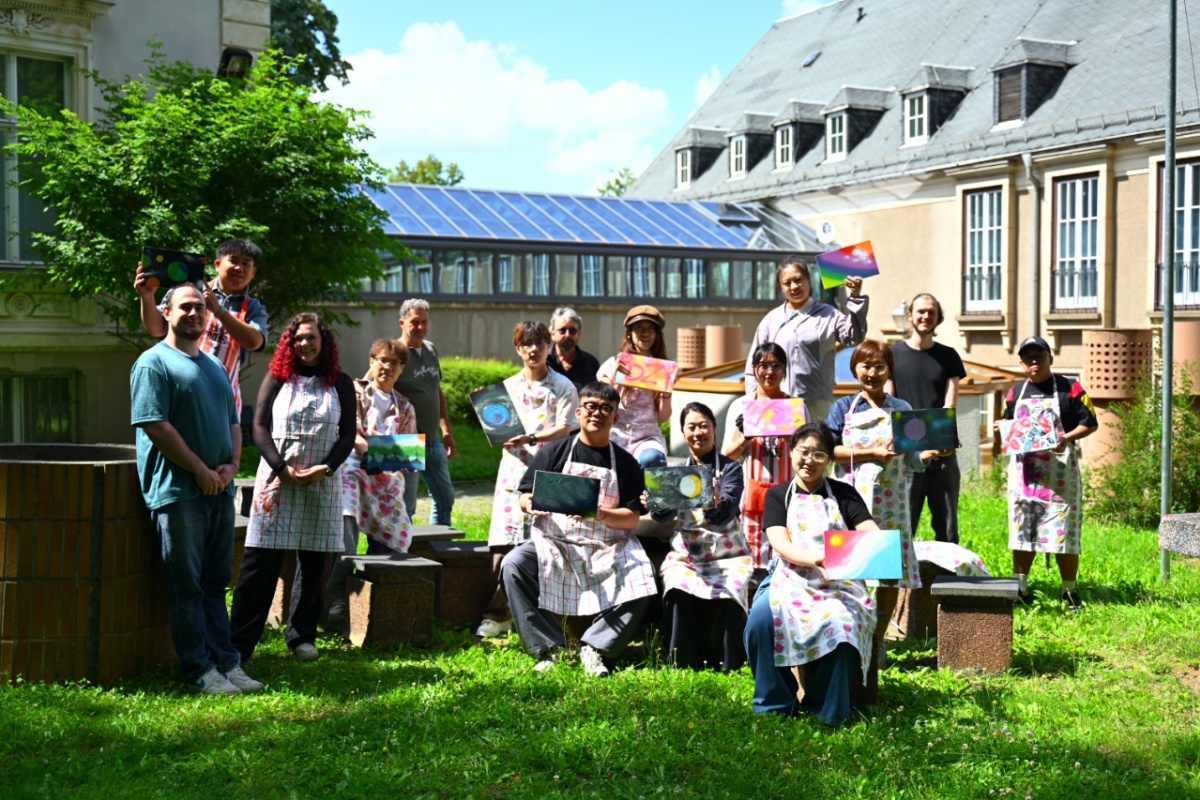
F+U Education School Saxony group: With a focus on cross‑cultural communication and hands‑on study of the German spirit of craftsmanship, this group visited century‑old manufacturing workshops and industrial heritage sites. They gained insights into the rigorous essence of German manufacturing through detailed observations of production processes and industry standards. Classroom discussions compared Eastern and Western values and volunteer service systems, with students drawing on their own experiences in campus holistic education and community activities, thereby developing a global perspective through intellectual exchange.
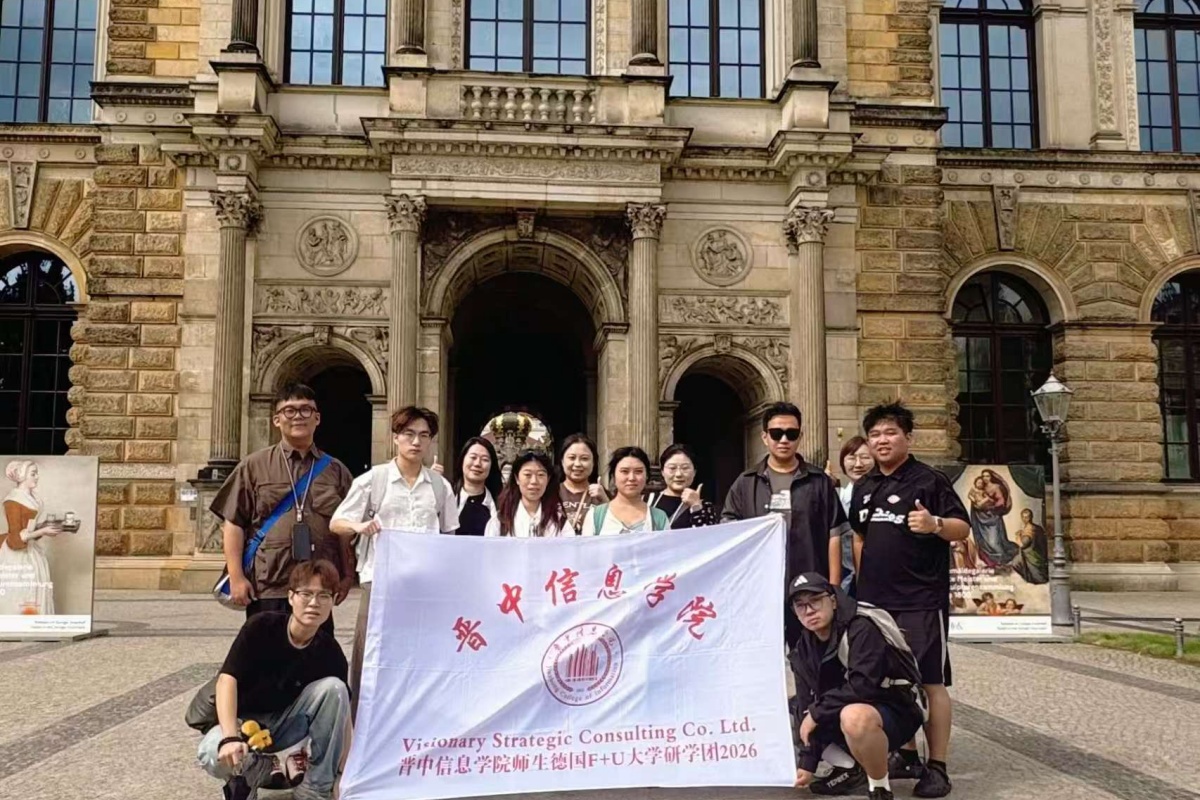

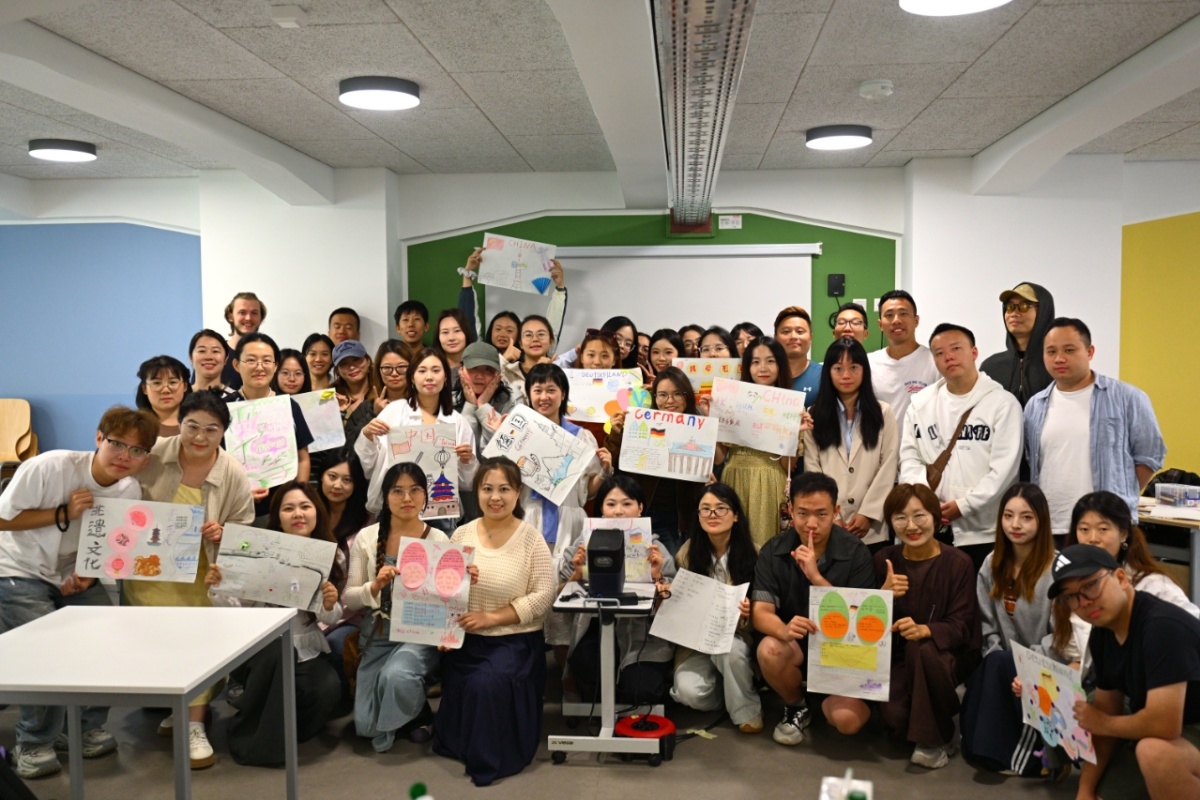
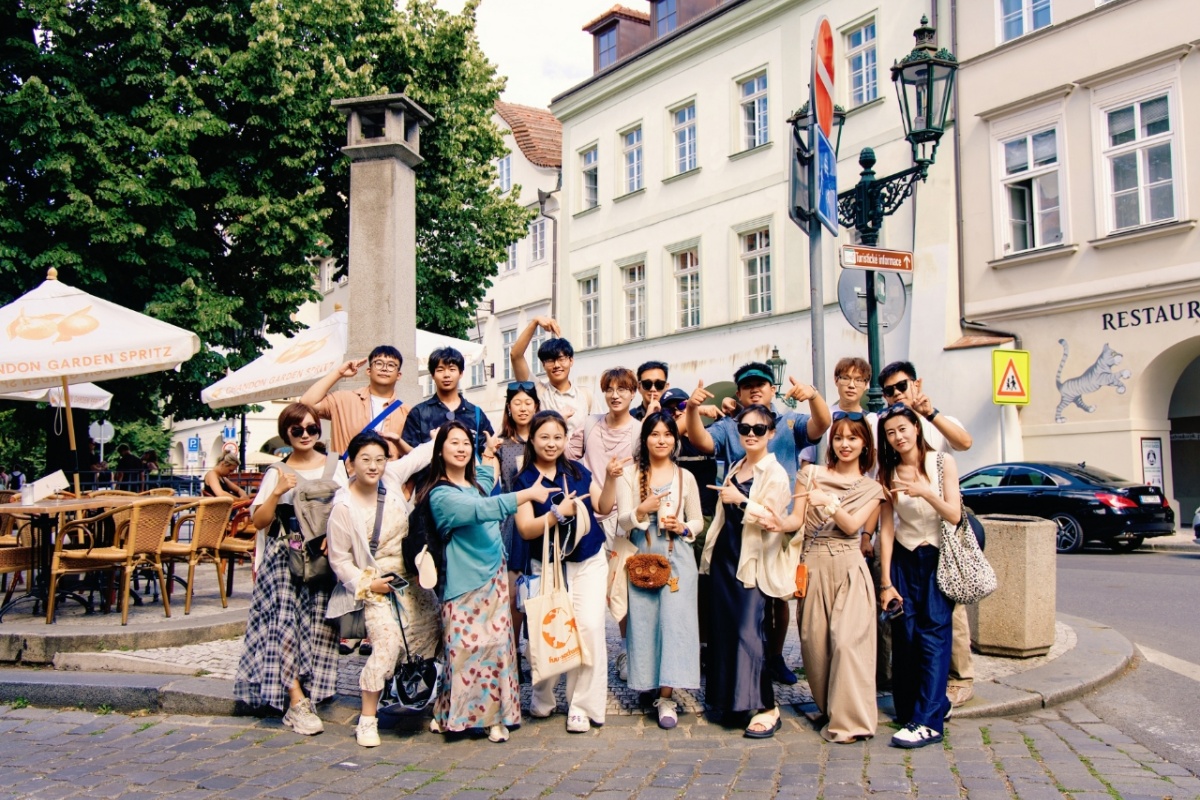
All activities during the study visit were closely tied to professional learning and personal development. Faculty and students visited local enterprises, UNESCO World Heritage sites, and municipal public venues, turning industrial cases, historical culture, and social observations into teaching materials. Many leading teachers remarked: “At our institute, we have learned to observe, express, and collaborate; and the German study visit has given them a brand‑new field of observation. The practical skills nurtured by our holistic education have truly taken root in a foreign classroom.”
Real Gains: From Reluctance to Speak to Confident Dialogue – Cognitive Expansion in an Unfamiliar Environment
Before departure, the Office of International Cooperation and Exchange organised a series of training sessions on study‑journal writing and cross‑cultural communication, and also invited German youth volunteers on campus to help students build a foundation in overseas study, cultural etiquette, and critical expression, laying the groundwork for high‑quality learning outcomes. Once on German soil, the students’ well‑honed skills in presentation and teamwork became their greatest asset.
In the all‑English seminar at bbw Hochschule, when German professors raised industry‑related topics, students from the institute formed groups, created mind maps, and took turns presenting their viewpoints, proactively adding diverse perspectives and overcoming any fear of language barriers. Student Kang Jiamin shared: “The critical thinking habits I developed through residential college seminars and business simulation competitions back home worked perfectly in the German classroom. The professors never judged right or wrong; they only asked about our reasoning. This inclusive and egalitarian atmosphere encouraged me to voice different ideas.”
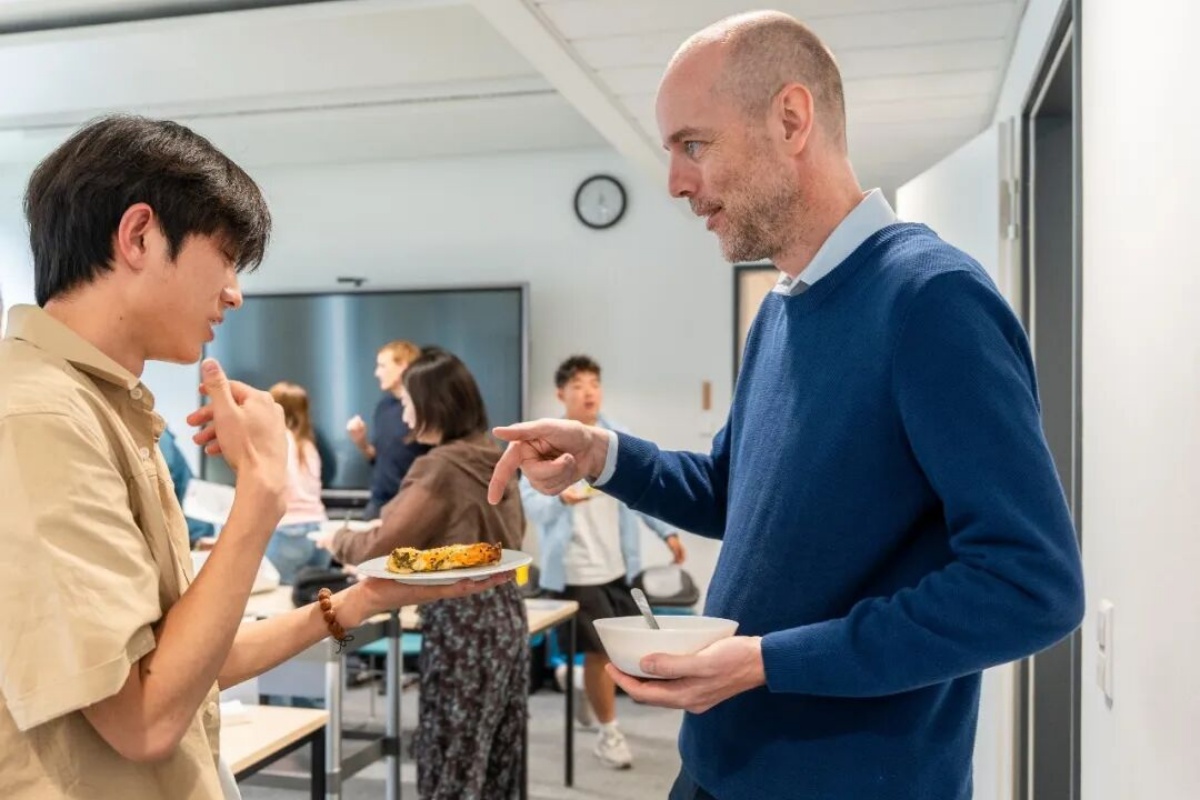
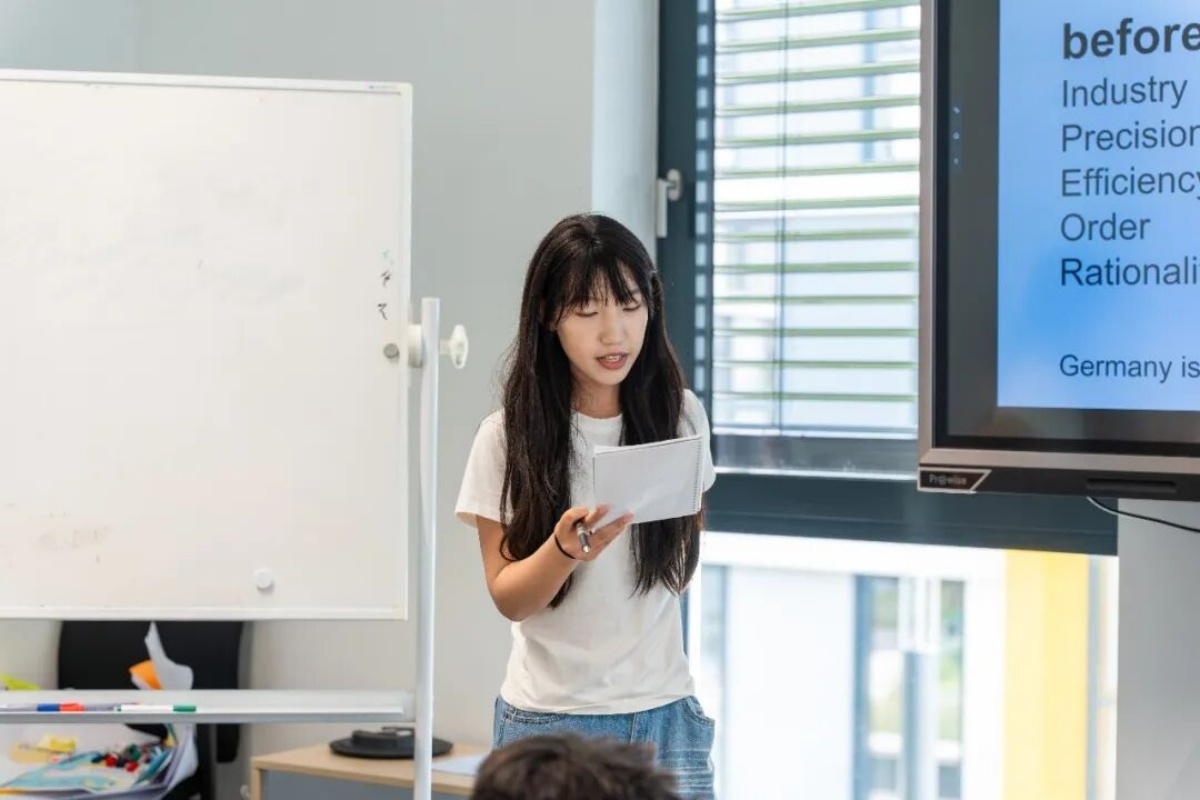
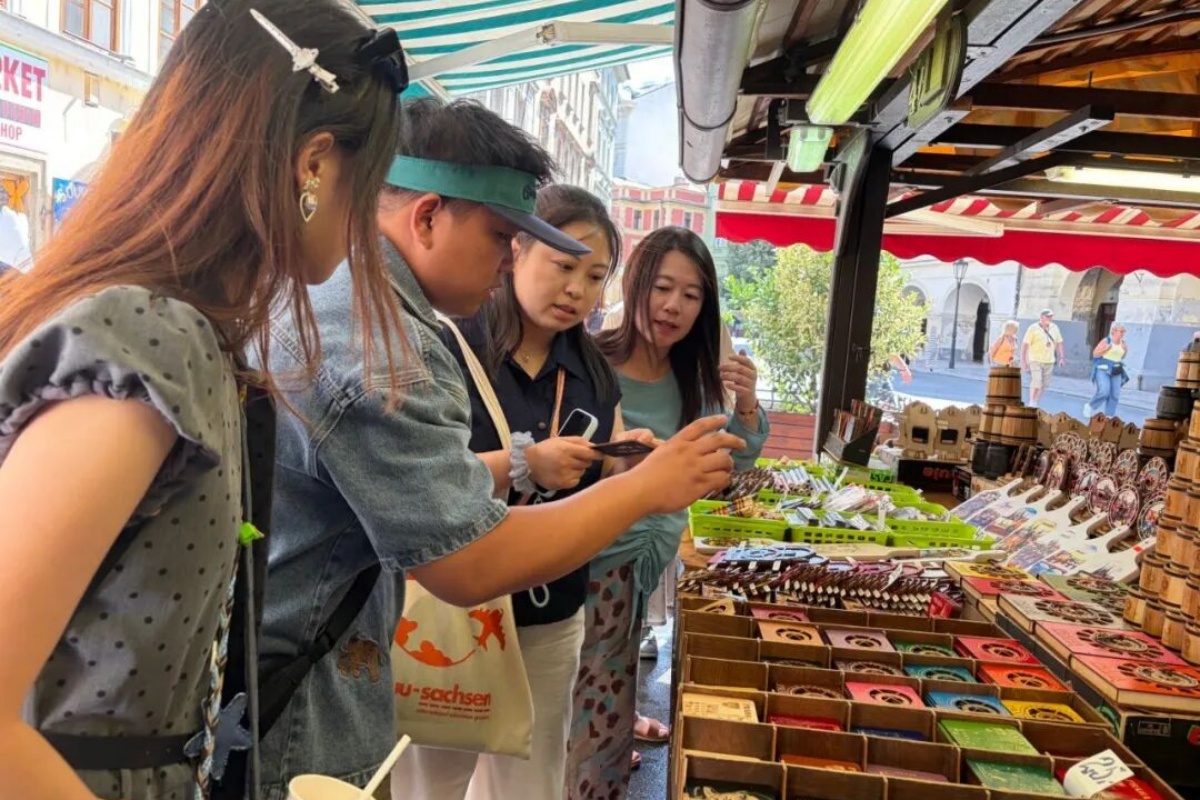
While walking through Dresden’s old town, the East Side Gallery in Berlin, and the industrial heritage sites of Saxony, the students moved beyond a tourist perspective and conducted independent research by relating what they saw to their domestic coursework. Computer science students documented Germany’s digital transformation paths in industry; media and arts students analysed the visual design of European public spaces; and business students investigated the operating models of local small and medium‑sized enterprises. On weekends, with no fixed group itineraries, faculty and students planned their own outings, using public transport like locals and visiting neighbourhood museums. Through this unguided exploration, they learned to plan independently, communicate proactively, and retrieve information autonomously.
Student Zhou Xuemei wrote in her journal: “I used to receive knowledge passively. But in Germany, every museum, every workshop, and every classroom conversation pushed me to ask questions and verify facts. The cognitive broadening brought by this immersive experience is something that campus classrooms cannot replace.”
Total Investment of Over 6 Million Yuan in Special Funding: Removing Economic Barriers and Giving Ordinary Students a Window to the World
For this first cohort of 99 faculty and students, the institute allocated a total of more than 6 million yuan in special study‑visit funding, continuing its long‑standing commitment to “universal and inclusive” international exchange. Every selected participant received uniform project funding covering all core overseas expenses, including partner institution teaching fees, company visits, study venues, and supporting educational materials. The average subsidy per student reached 60,800 yuan, and for 99 participants, this totalled 6,019,200 yuan.
For outstanding selected students who were officially recognised as financially disadvantaged, the institute offered an additional special subsidy of 5,000 yuan to further reduce the personal cost burden of overseas travel, effectively eliminating economic barriers to international exchange. Since launching its overseas study‑visit funding system, the institute has continuously invested tens of millions of yuan in resources to build international exchange platforms. It has sent hundreds of faculty and students on study visits to European and American universities, making international exchange no longer a privilege reserved for a few top students, but a standard growth opportunity for all.
Students who had excelled in community volunteer services, won national‑level business competition awards, persisted in artistic creation, or earned provincial medals in competitive sports all secured their places on the Germany trip through their “unique excellence” in practical fields. The institute recognises diverse paths to growth: as long as a student persistently pursues deep achievement in any area, they can gain access to international classrooms, ensuring that educational equity reaches every ordinary student who aspires to broaden their horizons.
Educational Commitment: Cultivating Globally Competitive Applied Talents through International Practice
From the industrial‑aesthetics classrooms by the Elbe in Dresden, to the all‑English seminar rooms along Berlin’s Spree River, and the craftsmanship workshops in Saxony’s century‑old factories, the three study groups built a bridge for bilateral exchange between Chinese and German cultures and professional expertise.
Building on its long‑term internationalisation strategy, the institute now has seven programmes accredited by prestigious German agencies such as ASIIN and ZEvA. In 2026, it achieved a significant milestone: official approval of the Chinese‑German joint programme in Mechanical Design, Manufacturing and Automation with bbw Hochschule in Berlin, opening a stable, official, and authoritative pathway for long‑term Chinese‑German advanced studies for all students.
After the first group of 99 faculty and students returned to campus, the Office of International Affairs systematically compiled study journals, classroom outcomes, and enterprise research reports, and will organise a series of sharing sessions on campus to transform the overseas learning experience into educational resources for the entire institute community. The short‑term summer study visit serves as an inclusive window for international experience open to all current students, while the Chinese‑German joint programme in Mechanical Design, Manufacturing and Automation offers a long‑term advanced track for those aiming to deepen their engineering expertise and pursue overseas degrees. Together, they form a complete international talent development matrix: “short‑term study for broadening horizons, four‑year joint training for dual degrees.”
Looking ahead to further studies and career paths, this tiered international training system provides students of the institute with unique competitive advantages. Participants in summer study visits can gain overseas classroom experience and official certificates from German partners, enriching their applications for postgraduate studies and job hunting. Those who choose the Chinese‑German joint programme will hold dual degrees from both China and Germany, along with internship experience in German companies. Whether they aim for postgraduate programmes in top engineering universities in Europe or the United States, or seek positions in China’s high‑end manufacturing sector, German‑invested enterprises in China, or cross‑border engineering firms, they will possess a core competitiveness far surpassing that of ordinary bachelor’s graduates.
In the future, the institute will continue to expand partnerships with more European and American institutions, and will regularise international study programmes. It is committed to paving a visible, accessible, and high‑return international growth path for every young person who comes to Jinzhong. Choosing this institute means choosing a platform that combines solid local training with global development opportunities. Here, ordinary students can access top German engineering education, earn dual degrees, and position themselves at the forefront of manufacturing – ready to embark on broad and promising careers across the globe.
The cross‑continental study journey has come to an end, but the power of growth hidden in classrooms, streets, and conversations will continue to accompany the students of Jinzhong Institute of Information and Technology along their professional paths. With the world as their living textbook, a new, diverse, and expansive answer has already been written for their life plans – one that connects directly to global industries and prestigious overseas universities.